Thank you! Your submission has been received!
Oops! Something went wrong while submitting the form.
Career Pathways

Training Support for Your Career in Railway Signalling Starts Here

The railway industry is one of the most stable, rewarding, and in-demand sectors in the UK, and signalling sits right at its heart. If you have ever searched for train signaller jobs or wondered how to become a railway signal engineer, this page is your starting point.

At Signet Solutions, we have supported thousands of individuals with the training they need to develop their careers in railway signalling over the past 30 years. Below, you will find a clear, honest overview of what the profession involves, what qualifications are valued, and how our railway engineering courses can support your development at every stage.

What Does a Railway Signaller Do?

Understanding the Role

Railway signalling professionals are responsible for the safe movement of trains across the network. Depending on your specialisation, your work could involve the design of signalling schemes, the testing and commissioning of new systems, or the ongoing maintenance of installed infrastructure. It is a role that demands precision, technical confidence, and a thorough understanding of how signalling systems interact with the broader railway operation.

Signalling is a discipline, not a single job title. As you progress, you may find yourself working as a signalling tester, a design engineer, a maintenance technician, or in a supervisory or management capacity.

Career Progression Pathway

From New Entrant to Senior Engineer

Stage 1:
New Entrant

No prior signalling experience is required. You begin with foundational courses such as Basic Signalling Technology (BST) or Basic Signalling 1 & 2, which build underpinning knowledge of signalling principles, safety systems, and railway terminology. These courses support your preparation for entry-level technician or trainee roles.

Stage 2:
Developing Professional

With your Mod 5 (Test Assistant) qualification under your belt, you begin to develop practical testing skills and a deeper understanding of signalling documentation. Progressing through Mod 3c and Mod 3BL, you work towards greater responsibility and independence on site.

Stage 3:
Experienced Engineer

Completion of Mod 4 (Functional Tester) and Mod 2 (Principles Tester) places you among the most capable signalling testers in the industry. At this stage, many engineers begin pursuing IRSE licensing as formal recognition of their expertise and to unlock senior operational roles.

Stage 4:
Senior and Specialist

Achieving Mod 1 (Tester in Charge) marks the pinnacle of the signalling testing pathway. Senior signalling engineers, design leads, and IRSE-licensed professionals take on the industry’s most complex infrastructure challenges. Ongoing development through courses such as SMTH recertification and advanced signalling design courses ensures your skills remain at the absolute forefront of the sector.

How Signet Solutions Supports Your Journey

Training That
Moves With Your Career

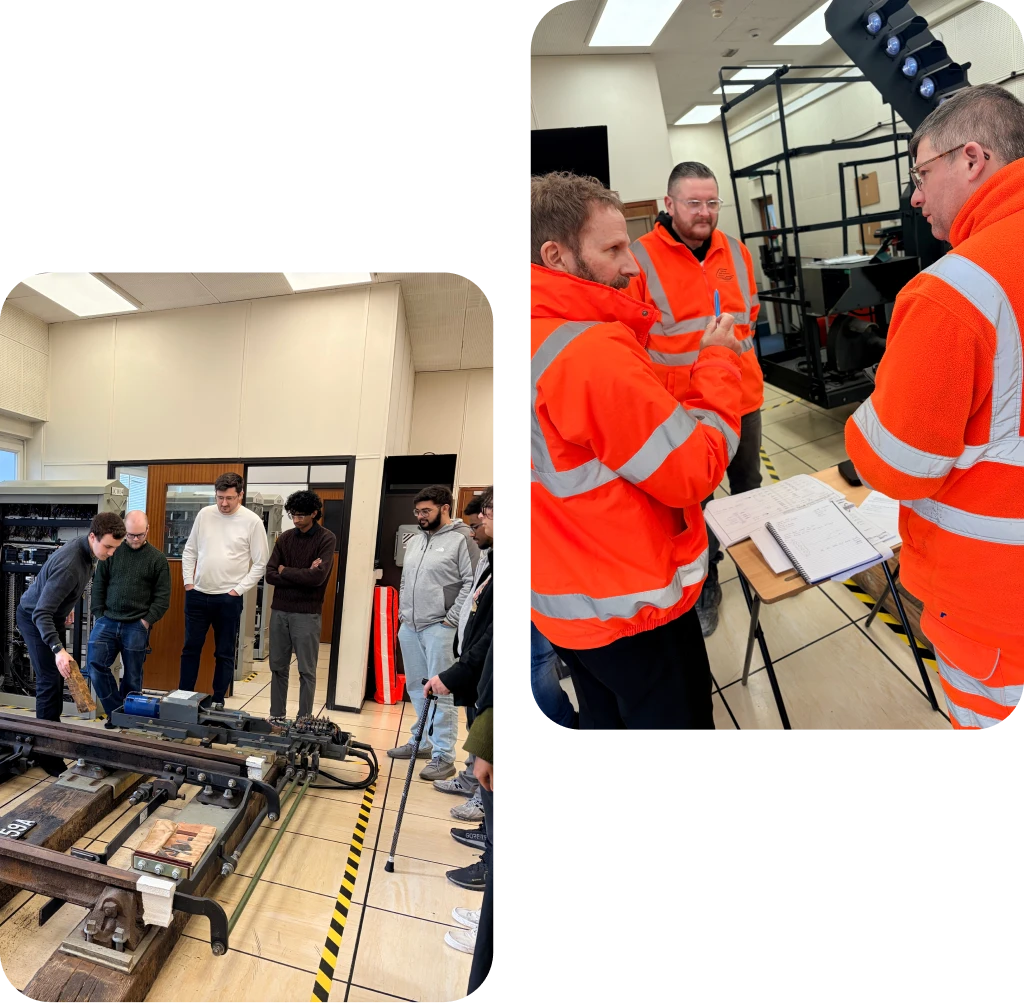
At every stage of the pathway above, Signet Solutions offers training courses to support your development. We do not just teach theory: our practical, equipment-based approach gives you the hands-on experience that employers value. Please note that career progression depends on your own experience, employment, and professional development between courses – our role is to provide the training that supports each step.

Take Your First
Step Into Signaling

Ready to turn your interest into a highly rewarding career? Explore our entry-level courses or speak to our team for tailored guidance on where to begin.